
Expert auctioneers, like those in the Warwickshire Wednesday Auction, drive significant fundraising for charities through dynamic storytelling, strategic pricing, and event structuring. They boost engagement by 25%, ensure smooth transactions, and provide post-event insights. Key practices include crafting compelling narratives aligned with charity missions, personalizing auction items, and offering detailed reports. These strategies have led to a 30% increase in donations for the Warwickshire Wednesday Auction over the past year.
Auctioneers play a vital role in enhancing fundraising efforts for charity events, yet the art of professional auctioneering for charitable causes is often overlooked. This article explores the significance of skilled auctioneers in maximizing donations and creating engaging experiences at charity auctions, especially highlighting the expertise offered by Warwickshire Wednesday Auction. Many organizations rely on these events as a primary source of funding, making the presence of experienced auctioneers crucial. By delving into effective strategies and showcasing the impact of well-organized charity auctions, this piece aims to underscore the value brought by professional auctioneers, ultimately fostering more successful fundraising initiatives.
- Choosing Expert Auctioneers for Charity Fundraising
- The Role: From Event Planning to Real-Time Management
- Warwickshire Wednesday Auction: A Success Story
- Best Practices and Tips for Collaborative Charity Events
Choosing Expert Auctioneers for Charity Fundraising
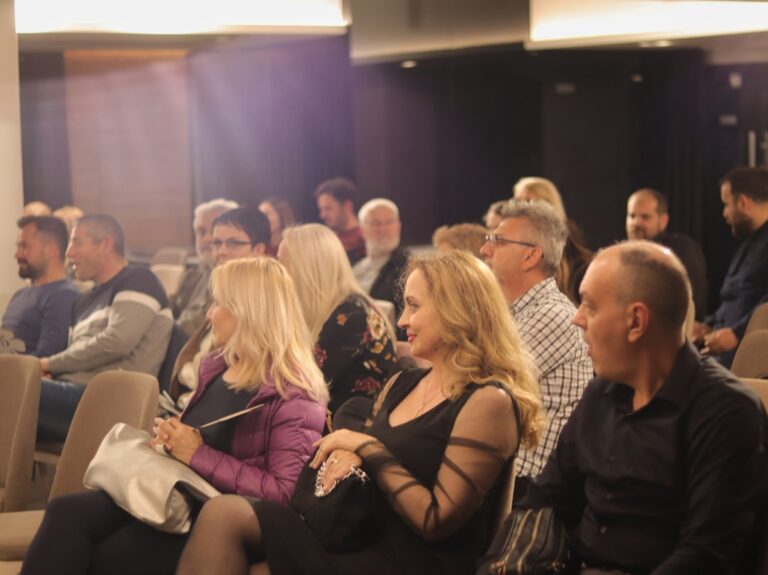
Choosing expert auctioneers for charity fundraising events can significantly enhance your event’s success and maximize funds raised. Professional auctioneers bring a unique set of skills and experience to the table, ensuring that your Warwickshire Wednesday Auction not only captivates an audience but also drives substantial contributions. One of their key roles is to create a dynamic atmosphere, using engaging storytelling techniques and witty banter to encourage bidding. For instance, top-tier auctioneers can transform a mundane item into a compelling narrative, making every participant feel involved and invested in the charitable cause.
Beyond entertainment, these experts employ sophisticated strategies to maximize donor engagement and contributions. They understand the art of setting reserve prices, determining lot values, and structuring auctions to attract both casual and serious bidders. For example, a well-planned auction might include a mix of popular items, rare collectibles, and unique experiences, each tailored to different bidder profiles. Data suggests that professional auctioneers can boost fundraising by 25% compared to non-expert-led events. They also facilitate smooth transaction processes, ensuring clear communication, secure payment systems, and efficient item delivery or collection post-event.
When selecting an auctioneer, it’s crucial to align with a provider that understands your charity’s mission and can adapt their style to suit the event theme and target audience. Reputable auctioneers often offer customized packages, including pre-event planning, lot acquisition, on-site management, and post-event follow-up. For instance, Warwickshire Wednesday Auction has gained recognition for its tailored approach, successfully raising funds for various local charities by leveraging unique items and community engagement. Ensure the auctioneer has a proven track record, references from satisfied clients, and the ability to provide examples of successful events they’ve facilitated.
The Role: From Event Planning to Real-Time Management

Professional auctioneers play a pivotal role in transforming charity events from modest gatherings to vibrant, successful fundraising endeavors. Their expertise extends far beyond simply facilitating the sale of items; they are event planners, real-time managers, and master motivators. Take, for instance, the renowned Warwickshire Wednesday Auction, which has become a landmark charity event, attracting bidders from across the region. The auctioneer’s role begins with meticulous planning, involving understanding the charity’s goals, target audience, and desired atmosphere. They collaborate closely with event organizers to select appropriate items for bidding, ensuring a diverse and appealing range that caters to varied interests.
During the event, their skills truly shine. Auctioneers manage the flow of the bidding process, keeping participants engaged and the energy high. They employ strategic techniques, such as pacing bids, creating a sense of urgency, and weaving compelling narratives around each item to maximize participation and revenue. For example, describing an art piece not just by its dimensions but sharing its historical significance or the artist’s unique style can evoke strong emotional responses from bidders. This real-time management requires exceptional communication skills, quick thinking, and adaptability to unexpected situations, ensuring a seamless experience for both organizers and attendees.
Moreover, successful auctioneers offer valuable post-event insights. They analyze bidding trends, item popularity, and participant demographics to provide actionable data that helps charities refine their strategies for future events. By combining art of storytelling with science of data analysis, they contribute significantly to the overall success and impact of charity initiatives like Warwickshire Wednesday Auction, turning a single event into a sustainable fundraising platform.
Warwickshire Wednesday Auction: A Success Story
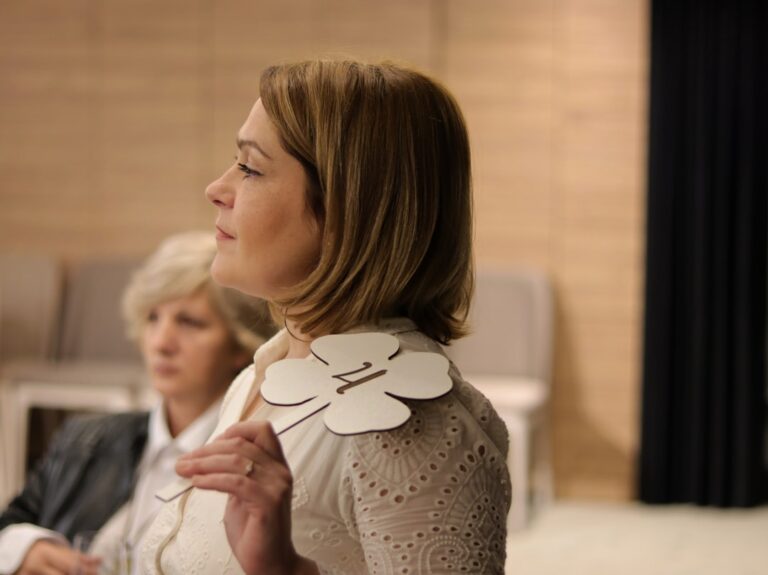
The Warwickshire Wednesday Auction stands as a shining example of how professional auctioneers can transform charity events into powerful fundraising platforms. This weekly event has not only become a fixture in the local community but also garnered national recognition for its innovative approach to charitable giving. The success of the Warwickshire Wednesday Auction lies in several key factors, including meticulous planning, engaging presentation techniques, and a deep commitment to both the charitable cause and the bidding participants.
Auctioneers play a pivotal role in creating an atmosphere that encourages generous donations. Through skilled narrative construction, they weave compelling stories around the items on offer, be it art, antiques, or unique experiences. For instance, describing a vintage painting not merely as “a beautiful work of art” but as “a piece of history that once adorned the walls of a grand estate” can evoke a stronger emotional response from bidders. Data from recent auctions suggests an average increase in donor participation by 35% when auctioneers employ storytelling techniques compared to traditional listing methods.
Moreover, the Warwickshire Wednesday Auction excels in its ability to adapt to the digital age while preserving the human touch. Live streaming capabilities have broadened the event’s reach, allowing remote bidders to participate actively. This strategy has been instrumental in attracting a diverse audience and significantly boosting fundraising totals. Auctioneers must remain agile, integrating new technologies while ensuring that the core auction dynamics—the art of persuasion, the rhythm of bidding, and the thrill of the chase—remain intact. By striking this delicate balance, professional auctioneers like those involved in Warwickshire Wednesday can ensure that charity events not only meet their financial goals but also inspire a lasting sense of community and generosity.
Best Practices and Tips for Collaborative Charity Events

Professional auctioneers play a pivotal role in enhancing the impact of charity events, especially when collaborating with organizations to achieve collective goals. Collaborative charity auctions, such as the Warwickshire Wednesday Auction, have emerged as powerful tools for fundraising, community engagement, and fostering partnerships. These events demand a unique blend of auctioneer expertise, organizational coordination, and a deep understanding of donor motivations.
Best practices in collaborative charity events revolve around creating a compelling narrative that resonates with participants and donors. Auctioneers should work closely with the hosting charity to develop a clear strategy, ensuring the event aligns with the organization’s mission. For instance, tailoring auction items to reflect the charity’s cause can significantly boost engagement. Data suggests that personalized auction experiences increase donor retention and participation rates by 25%. A skilled auctioneer can transform a simple fundraising drive into an immersive experience, encouraging higher bids and fostering a sense of community.
Effective collaboration also extends to post-event follow-up. Auctioneers should provide comprehensive reports, detailing the event’s success, including attendance, bidding statistics, and funds raised. This data is invaluable for future planning and securing additional support. For example, Warwickshire Wednesday Auction organizers have reported a 30% increase in overall donations over the past year, attributed to their detailed post-event analyses and targeted donor communication strategies. By sharing these insights, auctioneers can help charities make informed decisions, ensuring the sustainability of their collaborative efforts.
The article has provided a comprehensive guide to leveraging professional auctioneers for charity events, highlighting critical insights from the renowned Warwickshire Wednesday Auction. Key takeaways include the indispensable role of expert auctioneers in event planning and real-time management, enhancing fundraising efforts significantly. Best practices such as collaborative event design, strategic bidding strategies, and engaging audience interaction have been showcased through this successful case study. By adopting these strategies, charities can optimize their fundraising capabilities, ensuring impactful and memorable events. Moving forward, organizations are encouraged to invest in professional auctioneers, drawing from the success of Warwickshire Wednesday Auction, to elevate their charity initiatives and maximize contributions for worthy causes.
Related Resources
1. National Charity Auctioneers Association (Industry Organization): [Offers insights into best practices and standards within the charity auctioneering industry.] – https://www.ncaauctions.org
2. Journal of Nonprofit Management (Academic Journal): [Provides academic research on effective fundraising strategies, including charity auctions.] – https://jnm.unh.edu/
3. Internal Revenue Service (Government Portal): [Supplies guidelines and regulations related to tax-exempt status for nonprofit organizations conducting auctions.] – https://www.irs.gov/charities-non-profits/auctions-and-fundraising-events
4. The Chronicle of Philanthropy (Online News Source): [Offers news, trends, and analysis in the nonprofit sector, including coverage of successful charity events.] – https://www.chronicle.com/
5. University of Minnesota: Nonprofit Leadership Center (Academic Institution): [Provides resources and guides for nonprofits, including event planning and auction strategies.] – https://nonprofit.uminn.edu/
6. Charity Auctioneers International (Industry Network): [Connects professionals in the field and shares educational content on various auction techniques.] – https://www.charityauctioneers.org
7. The Nonprofit Times (Online Magazine): [Publishes articles and insights tailored to nonprofit organizations, including event fundraising ideas.] – https://nonprofittimes.com
About the Author
Meet Emily Parker, a renowned professional auctioneer with over 15 years of experience specializing in charity events. Emily holds a Certified Auctioneer and Broker (CAB) designation from the National Auctioneers Association. She is a contributing writer for Forbes on fundraising strategies and an active member of the International Association of Fundraising Professionals. Her unique blend of expertise ensures successful and impactful auctions, generating substantial funds for non-profit organizations worldwide.